
New

EV chargers & battery storage

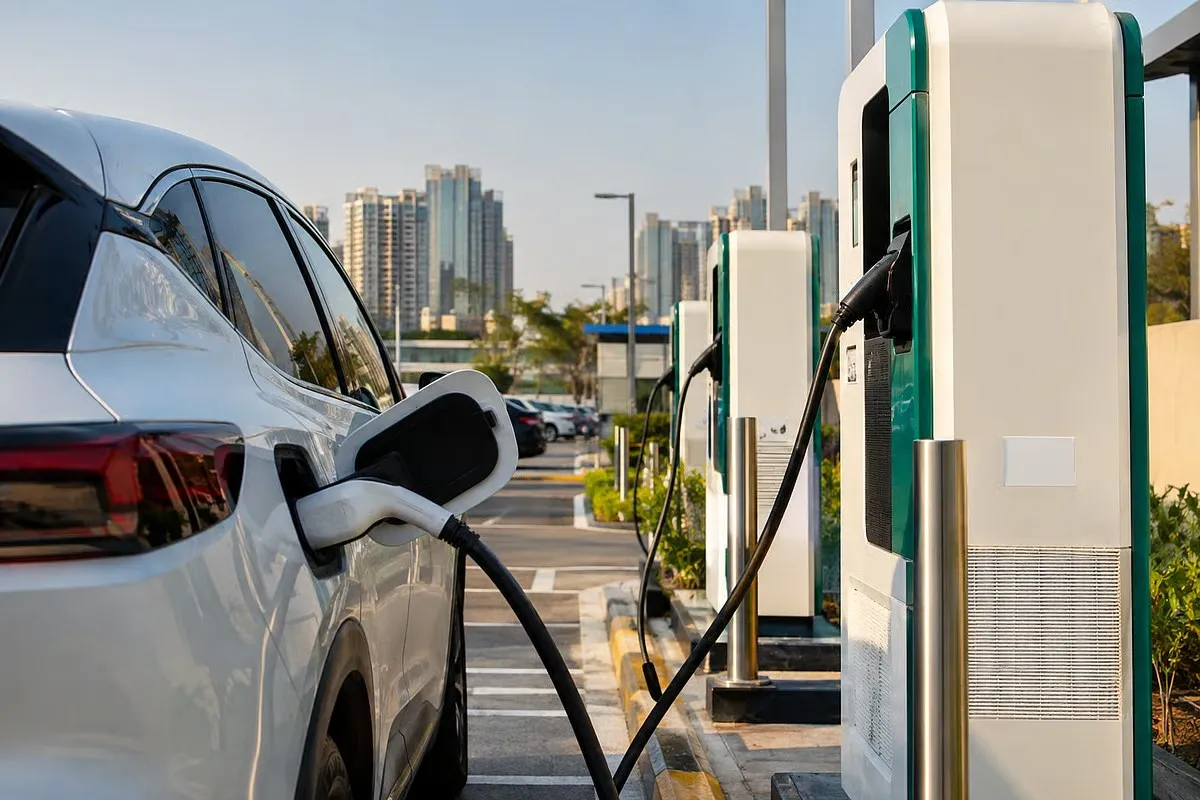
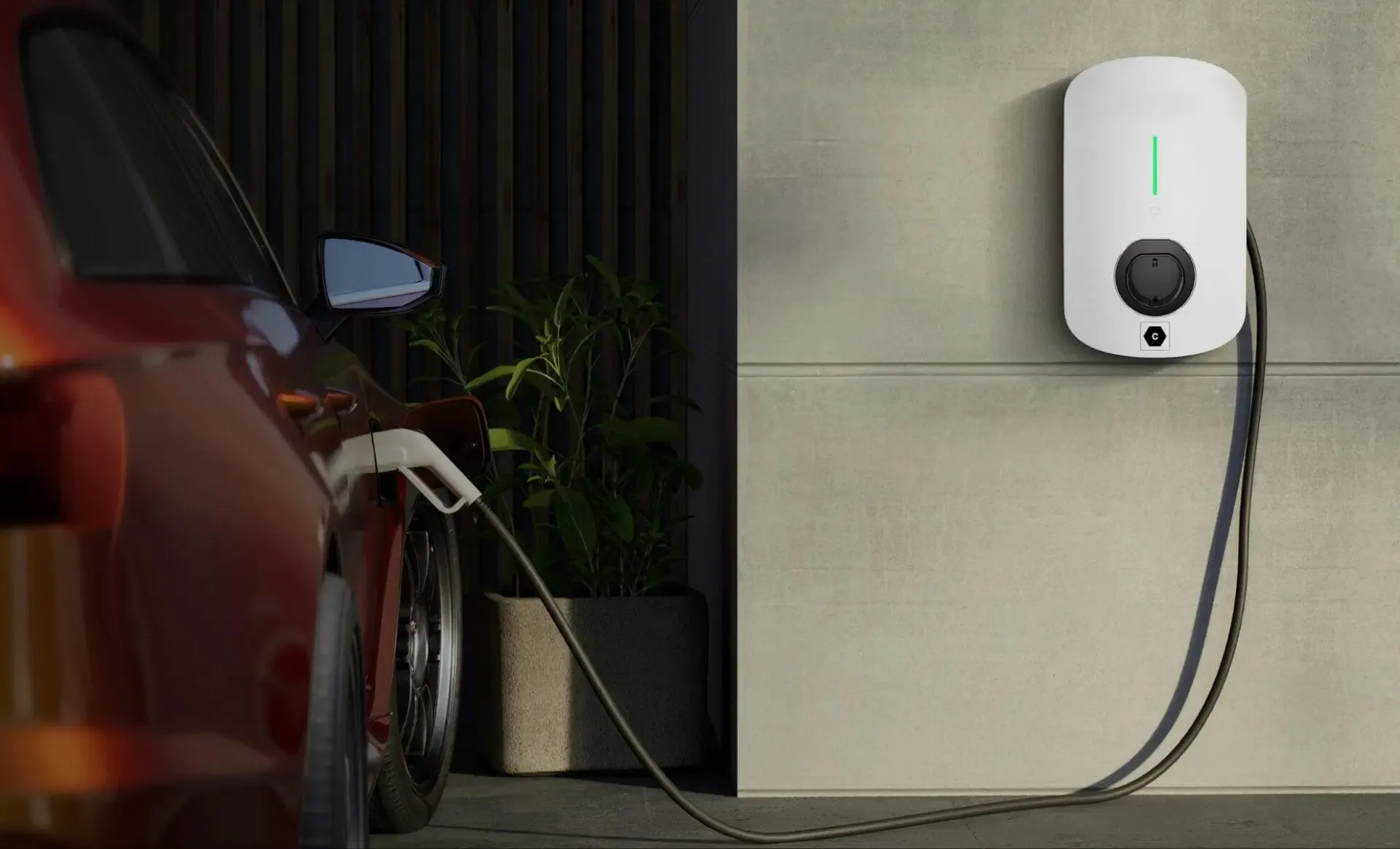
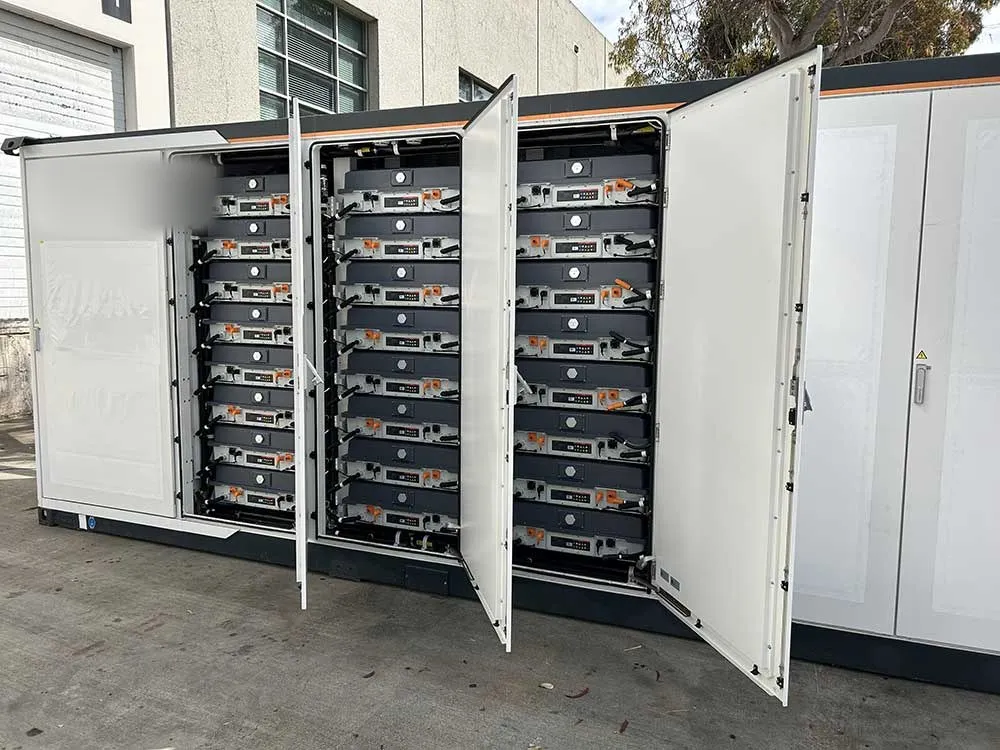
Charge vehicles on sunshine, keep power on through cuts and avoid costly peak hours. Supplied, installed and maintained by us.

Why now

New rules make storage & EV pay

Peak power costs more, banked solar can no longer cover the evening, and EV chargers get strong support.

Swipe for more →

MERC order · Mar 2026
Business & industryBattery storage

Peak power now costs 25% more for industry

Power from 5 pm to midnight costs 25% more; 9 am – 5 pm gets a 15–25% rebate.

Details

For industrial and commercial consumers in Maharashtra, power from 5 pm to midnight costs 25% more, while 9 am – 5 pm units get a 15–25% rebate (rising to 20–30%). Storing cheap daytime energy for the evening is now worth real money.

From Apr 2026
Business & industryBattery storage

Banked solar can only be used in solar hours

Banked solar can now be drawn only 9 am – 5 pm, and unused units lapse monthly.

Details

For C&I, captive and open-access solar, banked daytime units can now be drawn only between 9 am and 5 pm, and unused units lapse every month. Right-size your plant and add a battery to use solar in the evening.

Maharashtra policy 2025–36
Business & industryBattery storage

Storage now required for new projects above 100 kW

New renewable projects above 100 kW must now include energy storage (BESS).

Details

Under Maharashtra’s Renewable Energy & Energy Storage Policy 2025–36, new renewable projects above 100 kW, including open access, must install energy storage. A September 2026 MERC draft proposes the same for rooftop and behind-the-meter systems above 100 kW (50% of solar capacity for 2 hours, or 25% for 4 hours).

CareEdge · May 2026
Battery storageBusiness & industry

Stored energy beats peak tariffs

Peak power costs about ₹12/unit; energy from a battery costs about ₹6/unit.

Details

Peak-hour energy charges in Maharashtra are about ₹12/unit, while recent 4-hour battery-linked bids are around ₹6–6.5/unit. Shifting energy with a BESS can roughly halve your evening power cost.

PM E-DRIVE · till Mar 2028
EV chargers

Up to 100% subsidy on public EV chargers

Up to 100% of charger and wiring costs for public charging sites, till March 2028.

Details

PM E-DRIVE funds 72,300 public chargers. Government offices, residential colonies, hospitals and colleges get up to 100%; fuel stations, bus and railway stations and toll plazas get 80% of wiring/transformer costs and 70% of charger cost; malls, markets and highway amenities get 80% of wiring costs.

Ministry of Power · till Mar 2028
EV chargers

Cheaper power for charging stations

Charging-station power is capped at the average cost of supply: 0.7× in solar hours.

Details

EV charging connections get a single-part tariff capped at the average cost of supply till March 2028: 0.7× during solar hours (9 am – 4 pm) and 1.3× at other times. Add solar and a battery to charge at the lowest cost.

Checked 1 Oct 2026. Rules change often, so we confirm the latest before every quotation. Free advice on what applies to you →

Best together

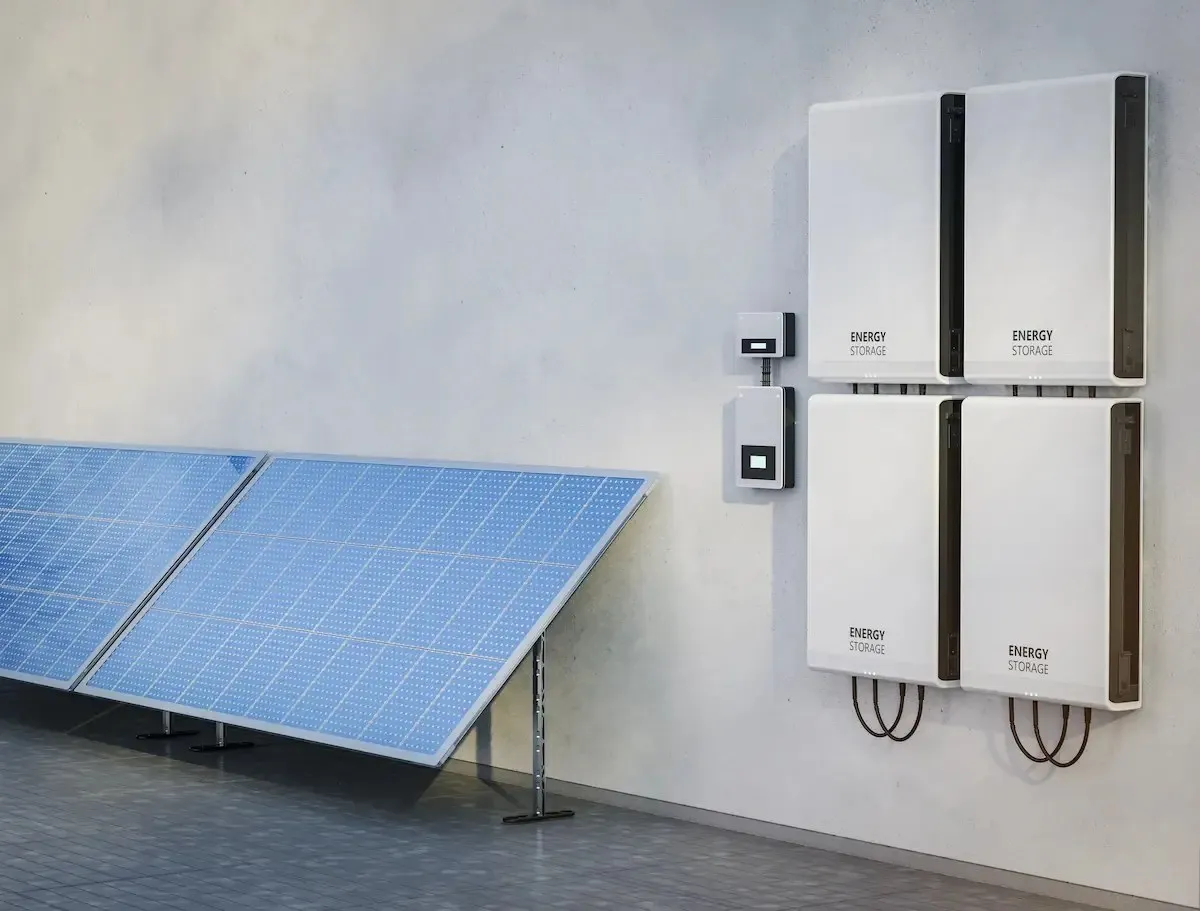
Solar + battery + EV charger

One system, designed together, gives the lowest cost per unit for homes, societies, petrol pumps and factories.

Plan my combined system
  • Solar makes cheap daytime power
  • The battery stores it for the evening peak
  • Backup keeps lifts, machines and chargers running
  • Chargers run on your own power, so the cost per kWh drops
Talk to us

Plan your EV & battery system

Share your name and mobile. We call you back, study your bill and site, and send a clear quotation.

  • Load, peak and ToD study
  • Charger and battery sizing
  • Subsidy and payback report
Send your light bill on WhatsApp

Or call +91 9370289988 · WhatsApp

Your details

Add bill details (optional) for a faster, exact quote

We use your details only to contact you about this enquiry. Privacy

Solar Calculator

Enter the units from your electricity bill. Results update instantly.

Your estimate
—
Recommended system · Roof needed
Your price after subsidy
—

—
Savings per year
—
Payback
—
Savings in 25 years

Home bills use MSEDCL LT-I slabs (MERC Case 217 of 2024 (MSEDCL MYT order), FY 2026-27): energy charge + wheeling + fixed charge + 16% duty, with net metering. Prices are indicative; exact figures after a free site survey.