
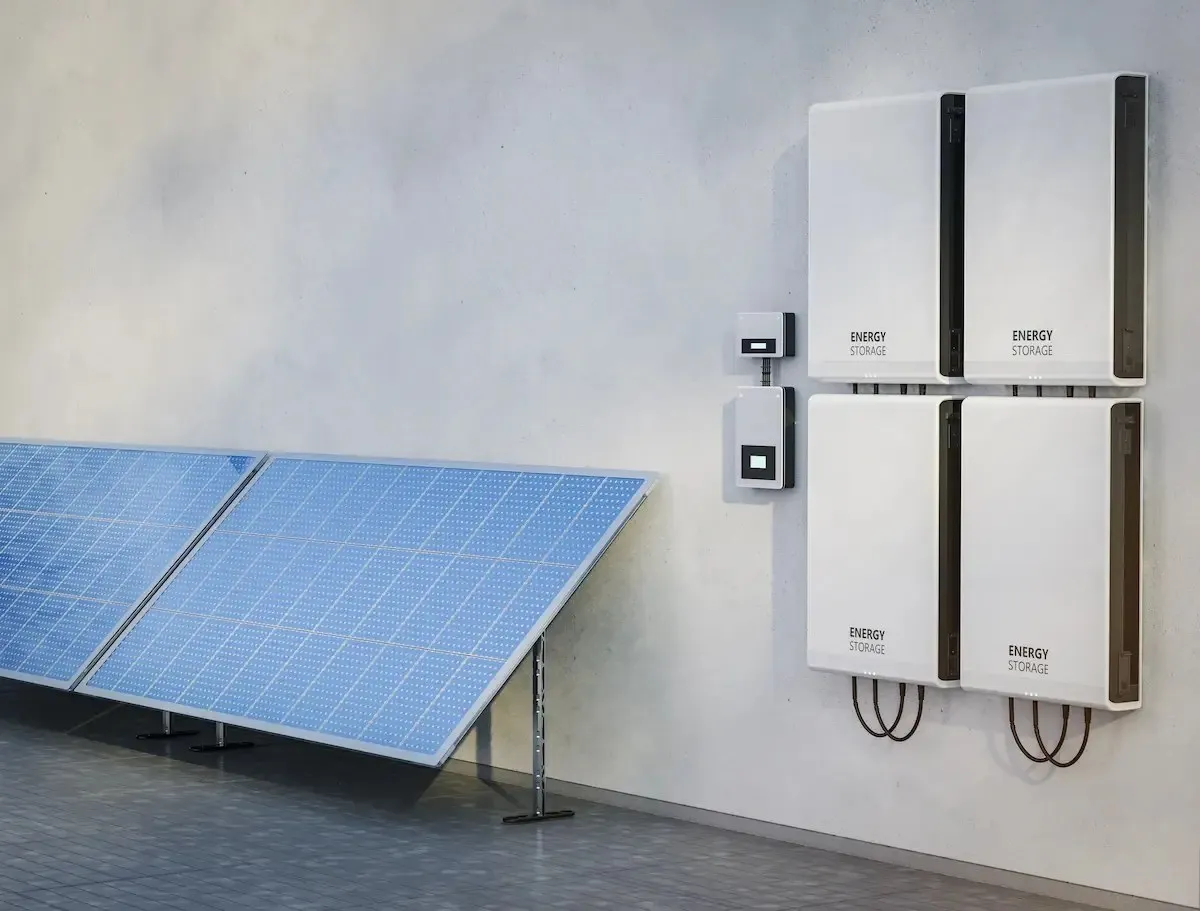
Home & small business batteries
5 kWh modules, stackable to 25+ kWh
LFP (lithium iron phosphate) battery with hybrid solar inverter, for backup during power cuts and solar storage for the evening.
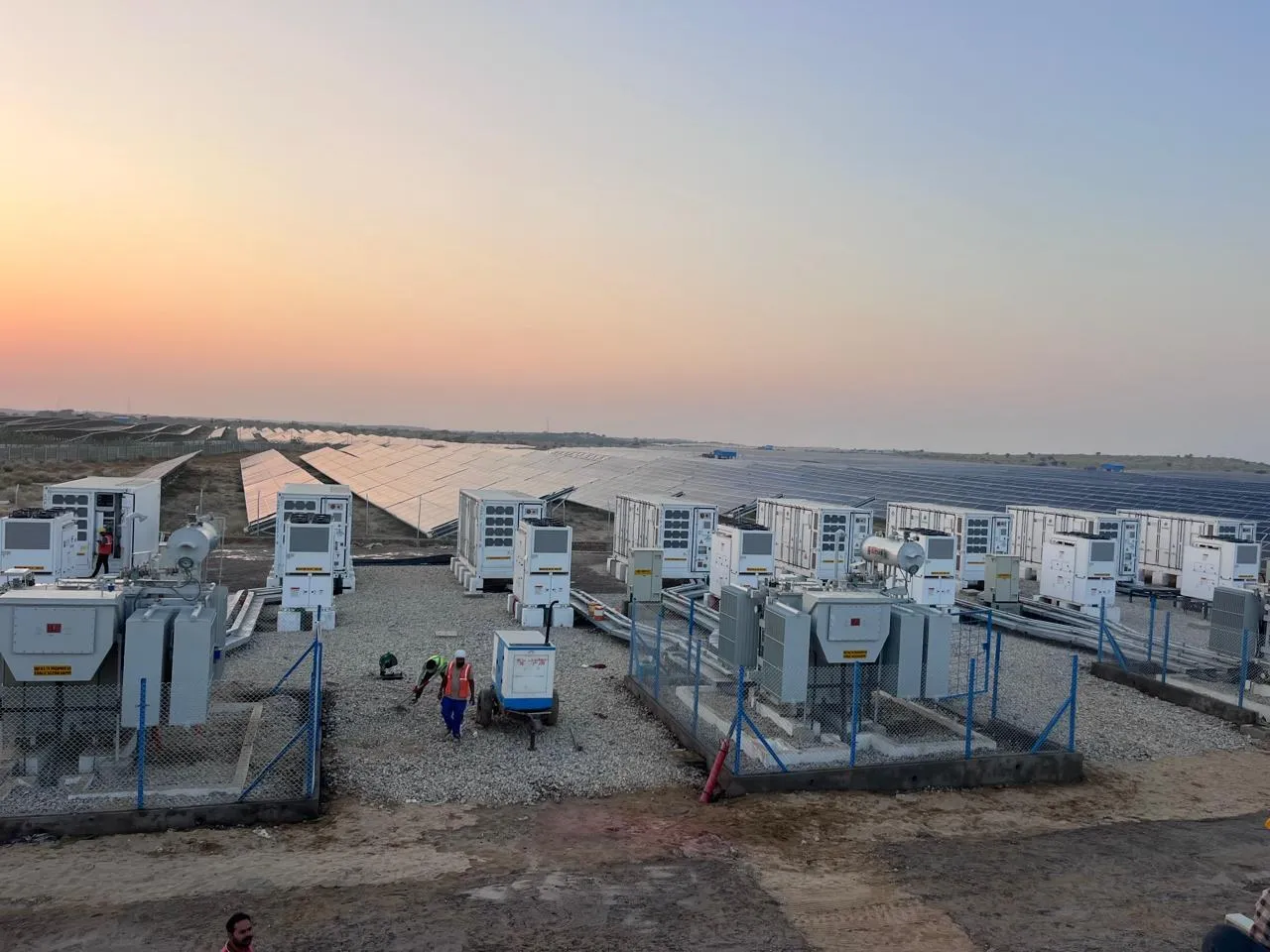
Store solar and grid power in safe LFP batteries. Cut peak charges, replace diesel generators and keep running through power cuts.
Swipe for more →
5 kWh modules, stackable to 25+ kWh
LFP (lithium iron phosphate) battery with hybrid solar inverter, for backup during power cuts and solar storage for the evening.
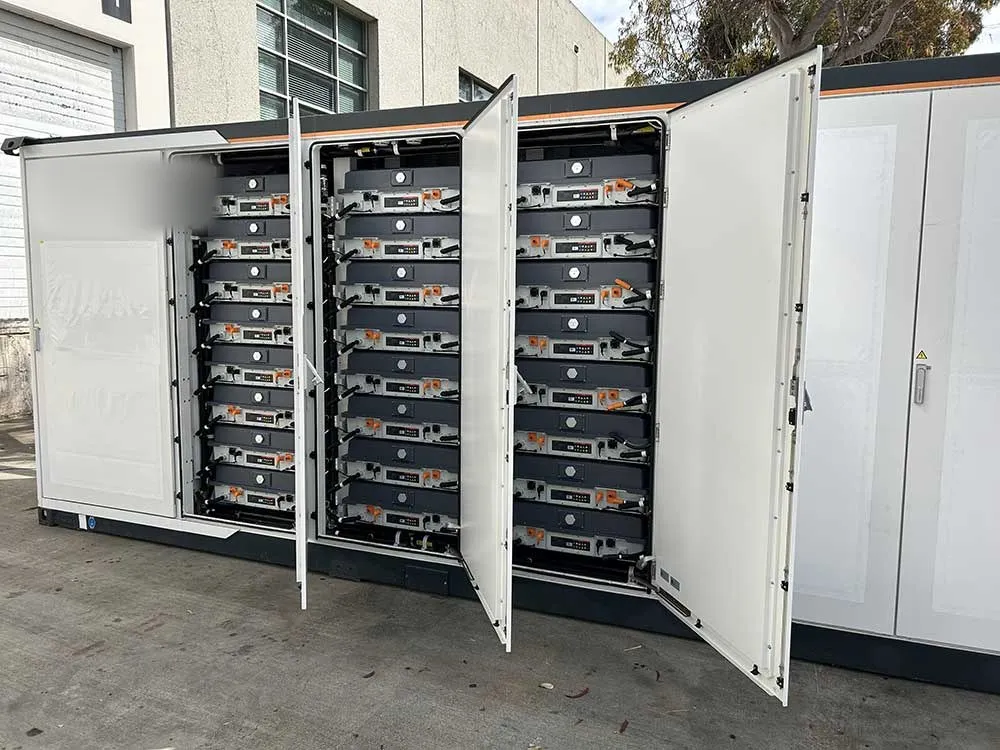
215 – 261 kWh per cabinet · 120 – 250 kW
All-in-one outdoor cabinet with liquid-cooled battery, PCS, EMS and fire protection. Up to 5 cabinets in parallel.
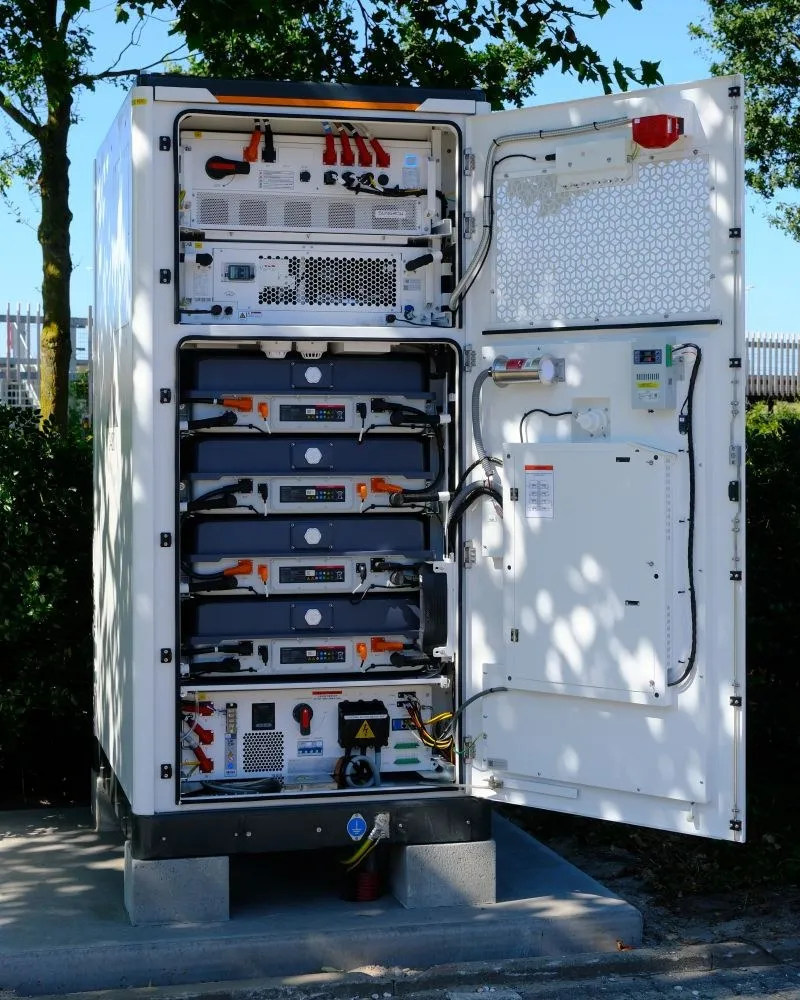
350 kWh to multi-MWh
Liquid-cooled battery blocks and containerised systems (e.g. 500 kW / 860 kWh) for factories, solar parks and microgrids.
| Capacity (C&I cabinet) | 218 kWh or 241 kWh (configurations up to 261 kWh) |
|---|---|
| AC power | 120 kW – 218 kW rated (up to 250 kW max), 0.5P to 1P |
| Battery voltage | 768 V nominal (672 – 864 V) |
| Chemistry & cooling | LFP cells, multi-level liquid cooling, ≤ 3 °C cell temperature difference |
| PCS efficiency | ≥ 98.7 % |
| Backup switchover | Optional static transfer switch, about 20 ms |
| Solar input | Optional built-in solar input, 30 – 60 kW |
| Protection | IP67 battery pack · IP55 cabinet · aerosol fire suppression, optional pack-level fire suppression |
| Control | Local EMS with 7" touchscreen · Modbus, IEC 104, IEC 61850, MQTT, Ethernet |
| Standards | IEC 62619, IEC 63056, UL 9540A, EN 62477-1, EN 62109 |
| Size & weight | 1100 × 2400 × 1350 mm · under 2.8 t |
Peak hours cost more, solar hours cost less, banked solar no longer covers the evening, and new projects above 100 kW need storage.
Swipe for more →
Daytime units cost less and evening units more, so solar plus a home battery saves the most.
With smart ToD meters, daytime units get a rebate and evening units cost more. Homes on net metering still get full credit for their solar, and a home battery covers the costly evening hours.
Power from 5 pm to midnight costs 25% more; 9 am – 5 pm gets a 15–25% rebate.
For industrial and commercial consumers in Maharashtra, power from 5 pm to midnight costs 25% more, while 9 am – 5 pm units get a 15–25% rebate (rising to 20–30%). Storing cheap daytime energy for the evening is now worth real money.
Banked solar can now be drawn only 9 am – 5 pm, and unused units lapse monthly.
For C&I, captive and open-access solar, banked daytime units can now be drawn only between 9 am and 5 pm, and unused units lapse every month. Right-size your plant and add a battery to use solar in the evening.
New renewable projects above 100 kW must now include energy storage (BESS).
Under Maharashtra’s Renewable Energy & Energy Storage Policy 2025–36, new renewable projects above 100 kW, including open access, must install energy storage. A September 2026 MERC draft proposes the same for rooftop and behind-the-meter systems above 100 kW (50% of solar capacity for 2 hours, or 25% for 4 hours).
Peak power costs about ₹12/unit; energy from a battery costs about ₹6/unit.
Peak-hour energy charges in Maharashtra are about ₹12/unit, while recent 4-hour battery-linked bids are around ₹6–6.5/unit. Shifting energy with a BESS can roughly halve your evening power cost.
₹5,400 crore approved for 30 GWh of new battery storage across India.
The Ministry of Power approved ₹5,400 crore of viability gap funding for 30 GWh of battery storage, on top of 13 GWh already under way. Storage is becoming a standard part of India’s grid and of every large solar plant.
Checked 1 Oct 2026. Rules change often, so we confirm the latest before every quotation. Free advice on what applies to you →
Swipe for more →
Discharge during high-load hours to lower your contract demand and maximum-demand charges.
Store cheap or solar units, use them in costly evening hours under ToD tariffs.
Clean, silent backup that switches over in about 20 ms, with no diesel and no fumes.
Store surplus daytime solar instead of exporting it; run critical loads at night.
Buffer fast chargers so you need a smaller grid connection.
Solar + storage for farms, telecom, schools and villages with weak grid.
A battery energy storage system stores electricity from solar or the grid in lithium batteries and supplies it when you need it: for backup, to cut peak demand or to use solar after sunset.
Since the MERC order of March 2026, industry pays 25% more for power from 5 pm to midnight, banked solar can only be used in solar hours, and new projects above 100 kW need storage. A battery moves cheap daytime energy into the peak.
LFP (lithium iron phosphate), the safest and longest-lasting lithium chemistry for stationary storage, with liquid cooling on commercial systems.
In most factories, offices and hospitals, yes. A BESS with a static transfer switch takes over in about 20 ms, runs silently with no fuel and can be recharged by solar.
Homes usually need 5–15 kWh for backup. Businesses size storage from their load profile and peak demand, typically 215–261 kWh cabinets in parallel, or MWh systems for factories. We do the load study free.
Share your name and mobile. We call you back, study your bill and site, and send a clear quotation.
Or call +91 9370289988 · WhatsApp